
Andrea Signorini

Eternal Return

Andrea Signorini

Who I am

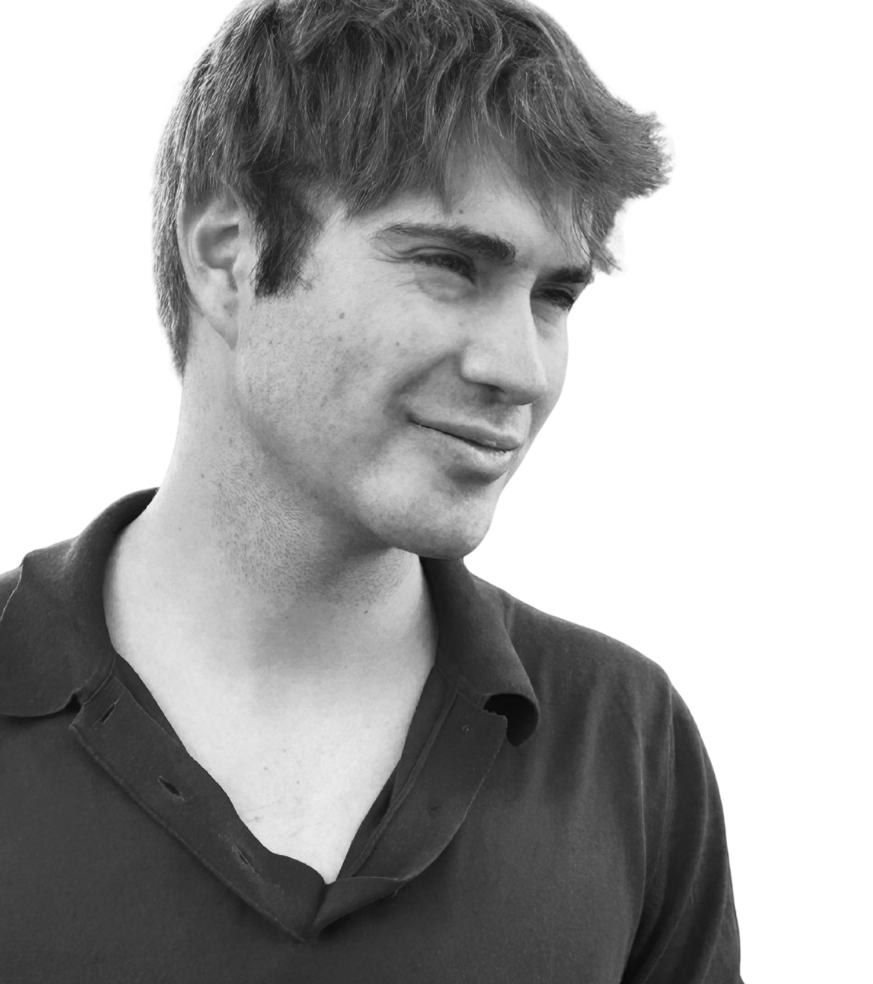
From an early age, I have been fascinated by stories, initially as a listener, then as a creator. The influence of literature, particularly Kafka, Mann, and Dostoevsky, and of auteur cinema, beginning with Bergman's "The Seventh Seal" transformed my vision of art into a means of exploring the human condition. After studying painting at the Academy of Fine Arts in Florence and completing a course on Elizabethan theatre, I received technical training at the National School of Independent Cinema, where I made my first short film, focused on the relationship between man and technology. Stimulated and intrigued by theatrical language as well, I had the pleasure of attending various courses in "operatic and theatrical directing" held at the Zeffirelli Foundation, through which I had the honor and opportunity to establish, together with various people working in the arts, the cultural association "Maestro performing artist from Zeffirelli foundation".

www.andreasignorini.eu

Next
Get started

A New Project

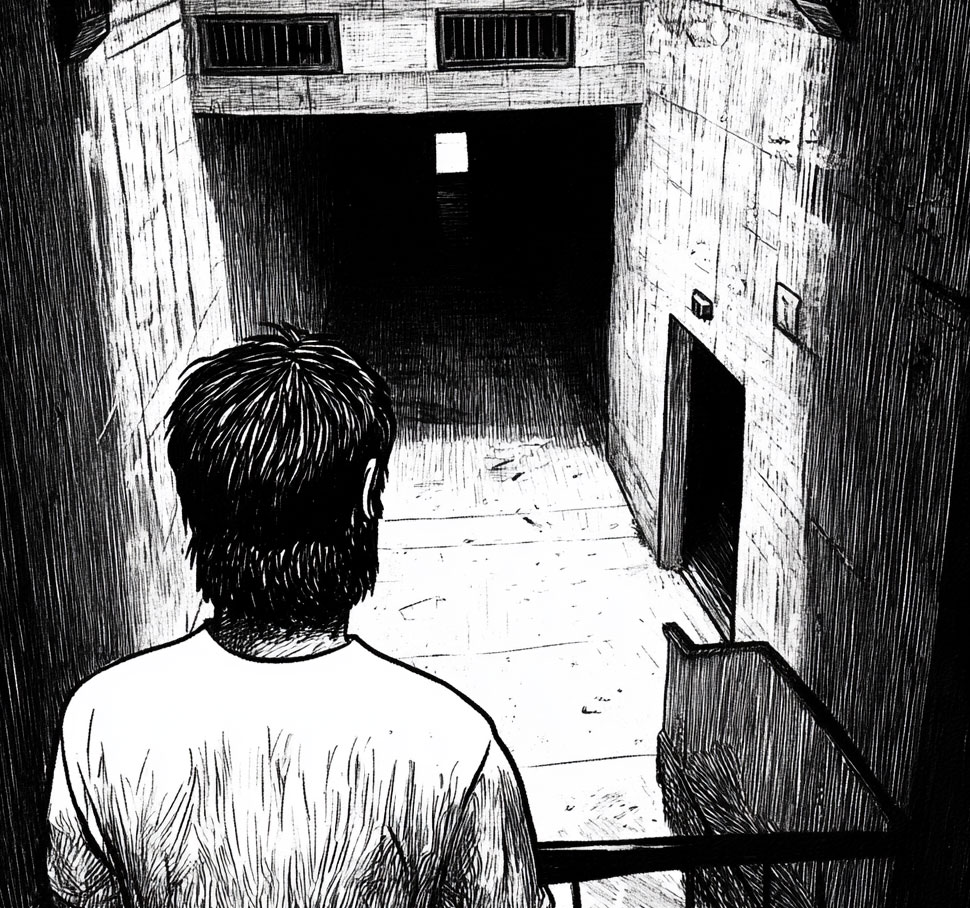
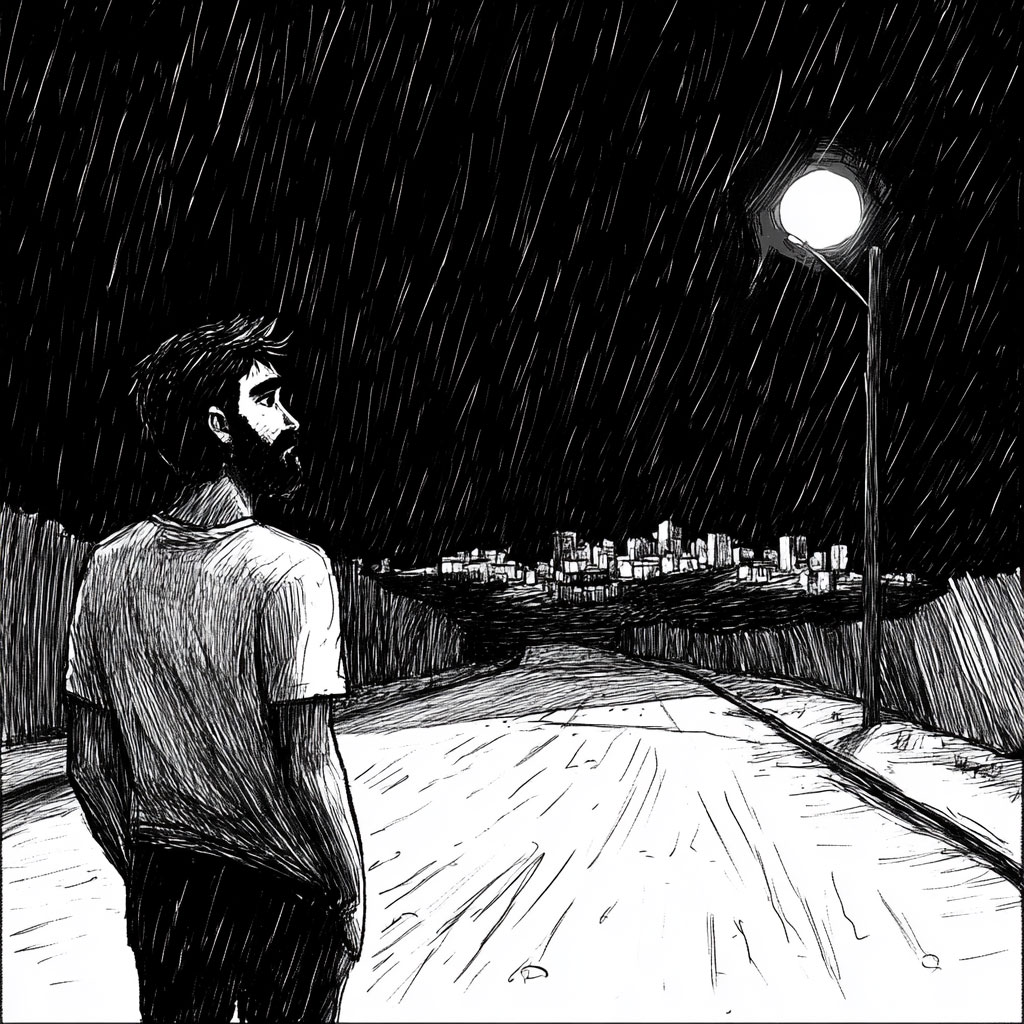
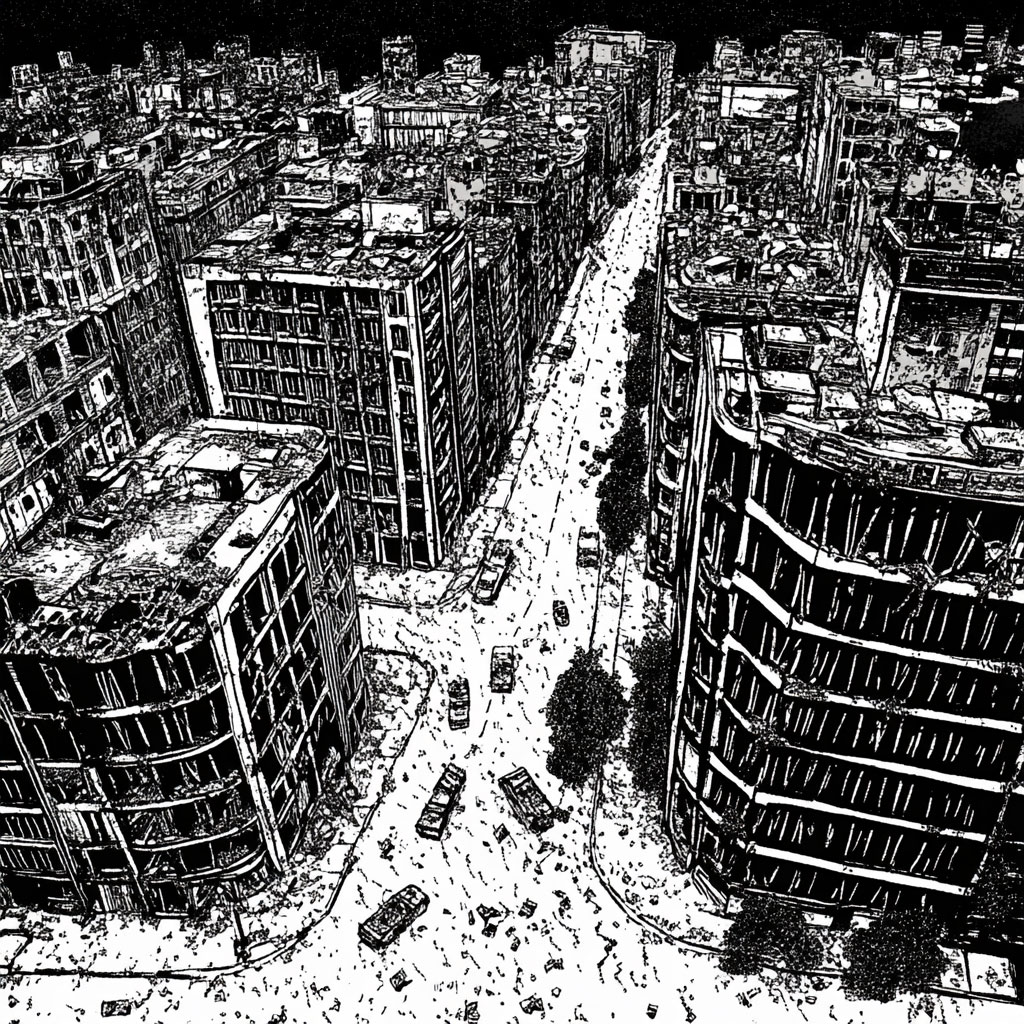
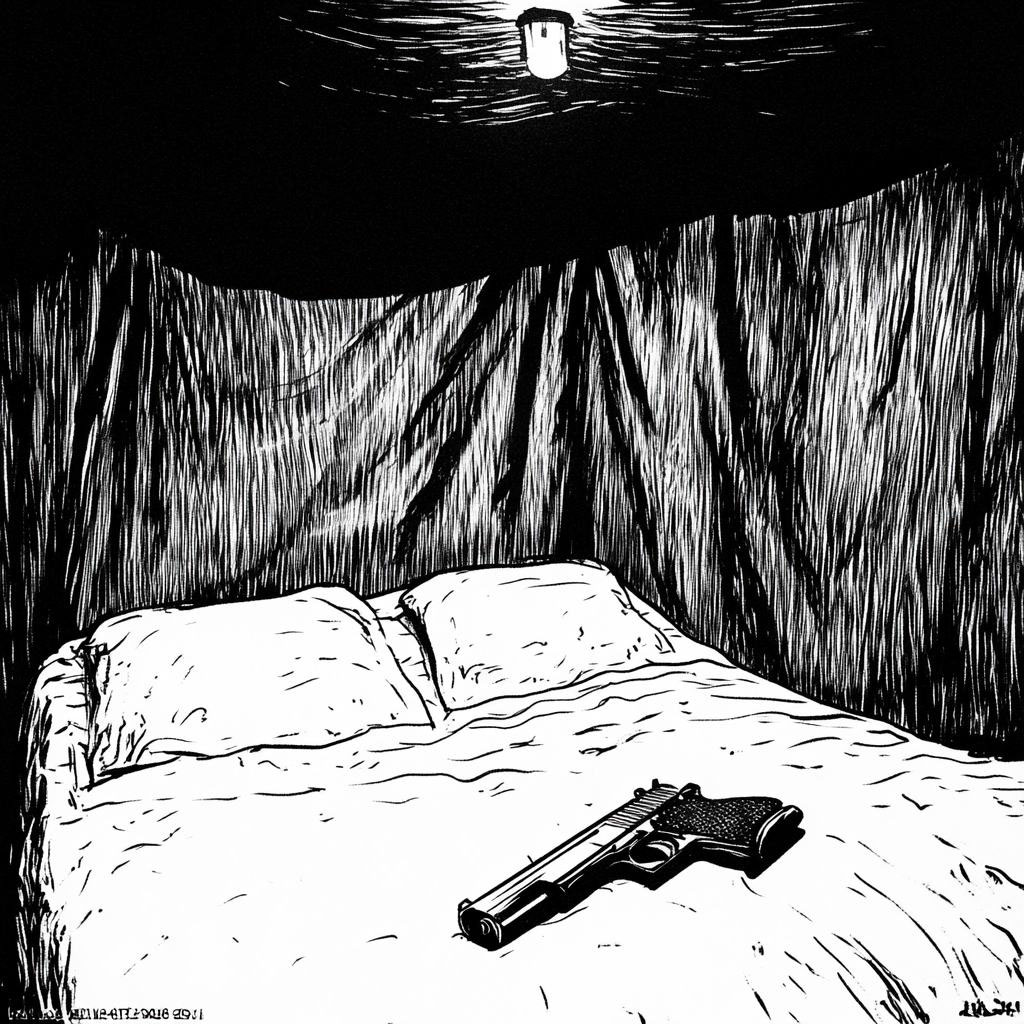
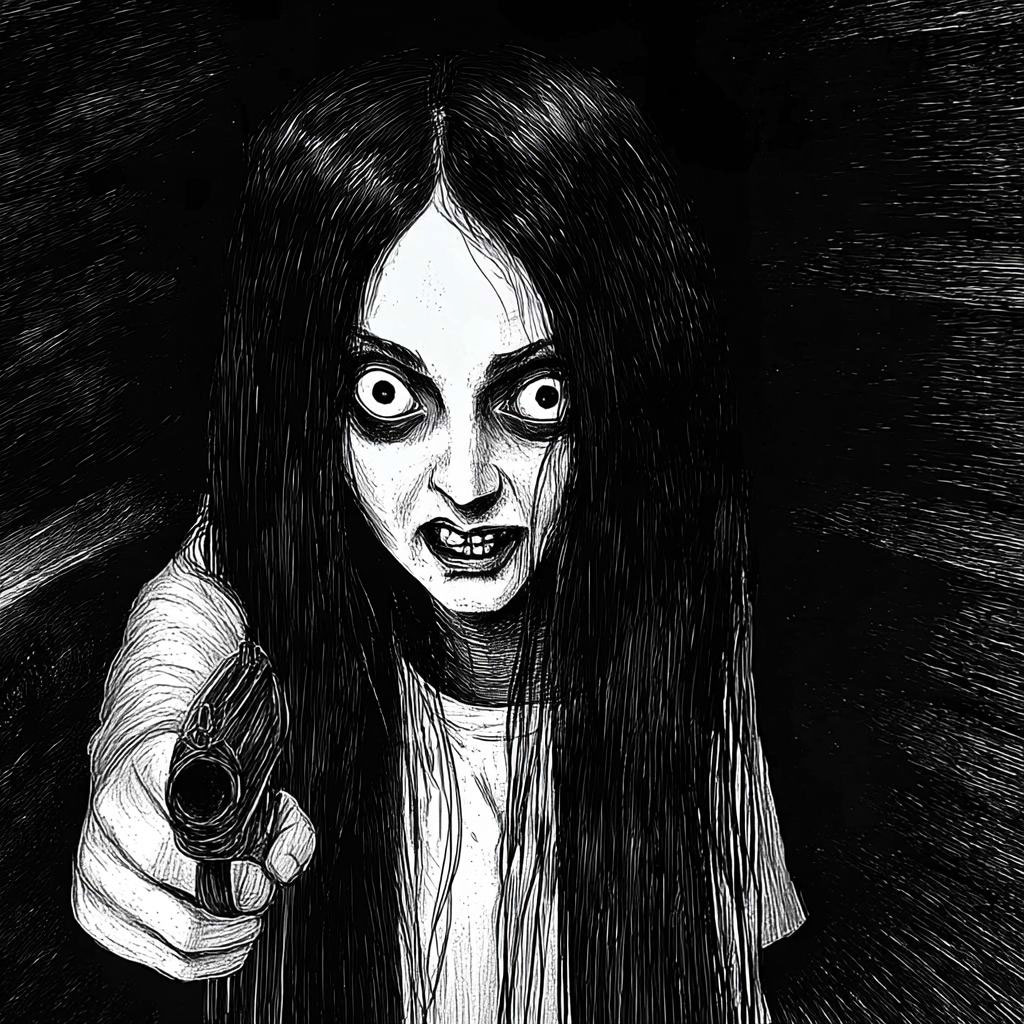
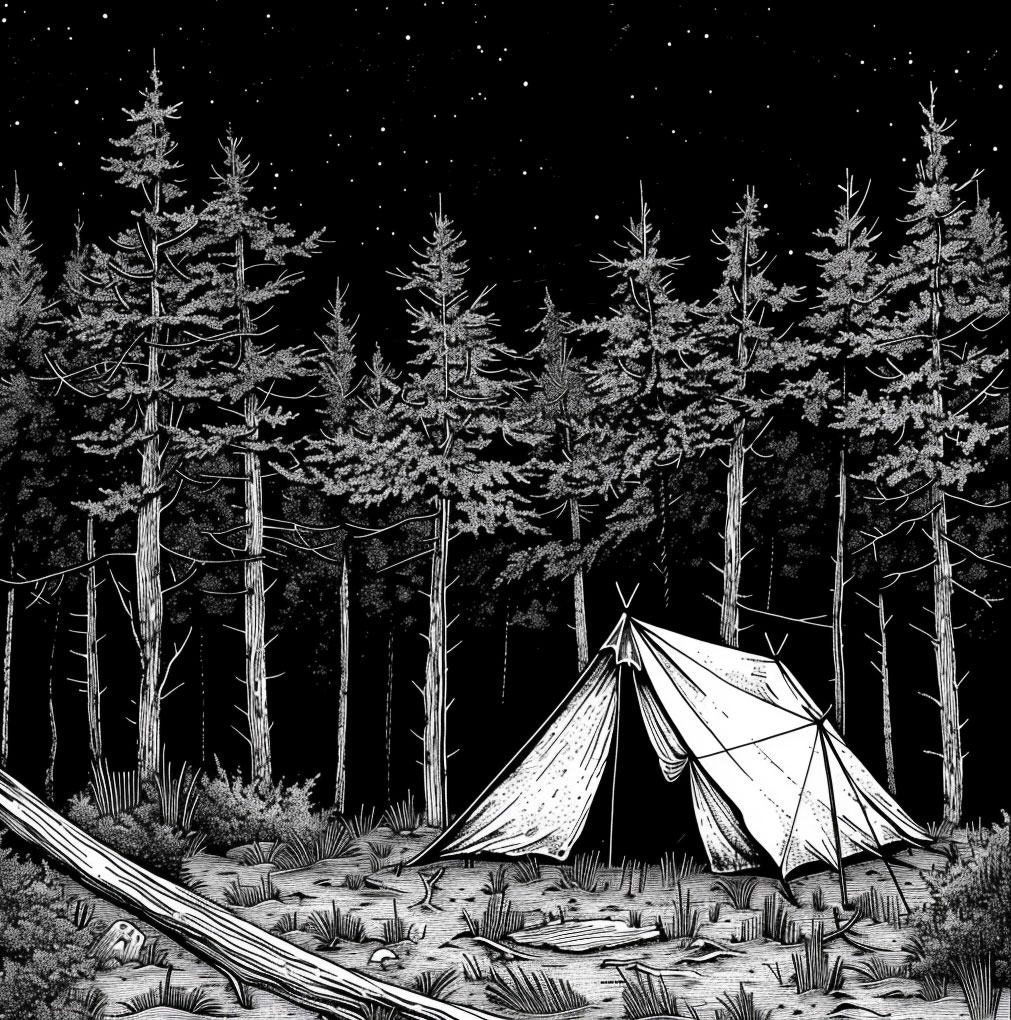
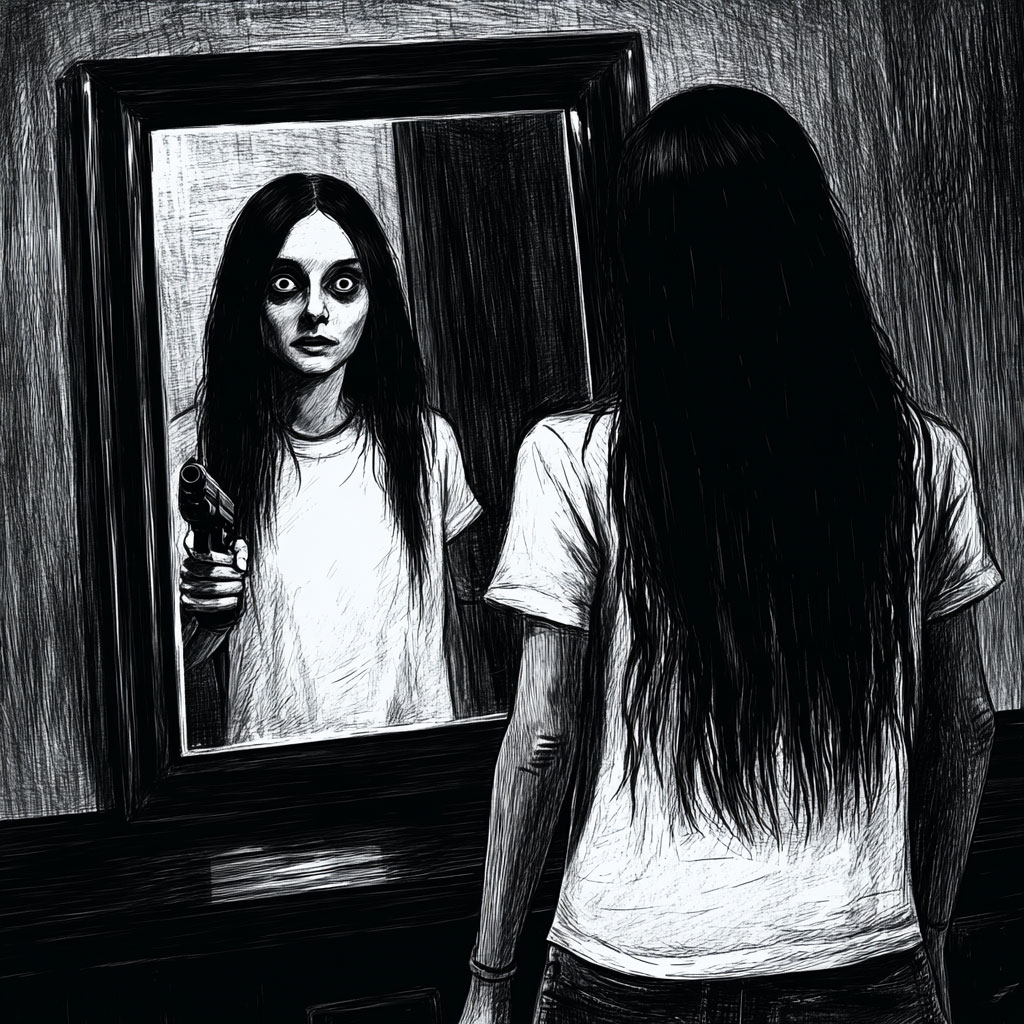
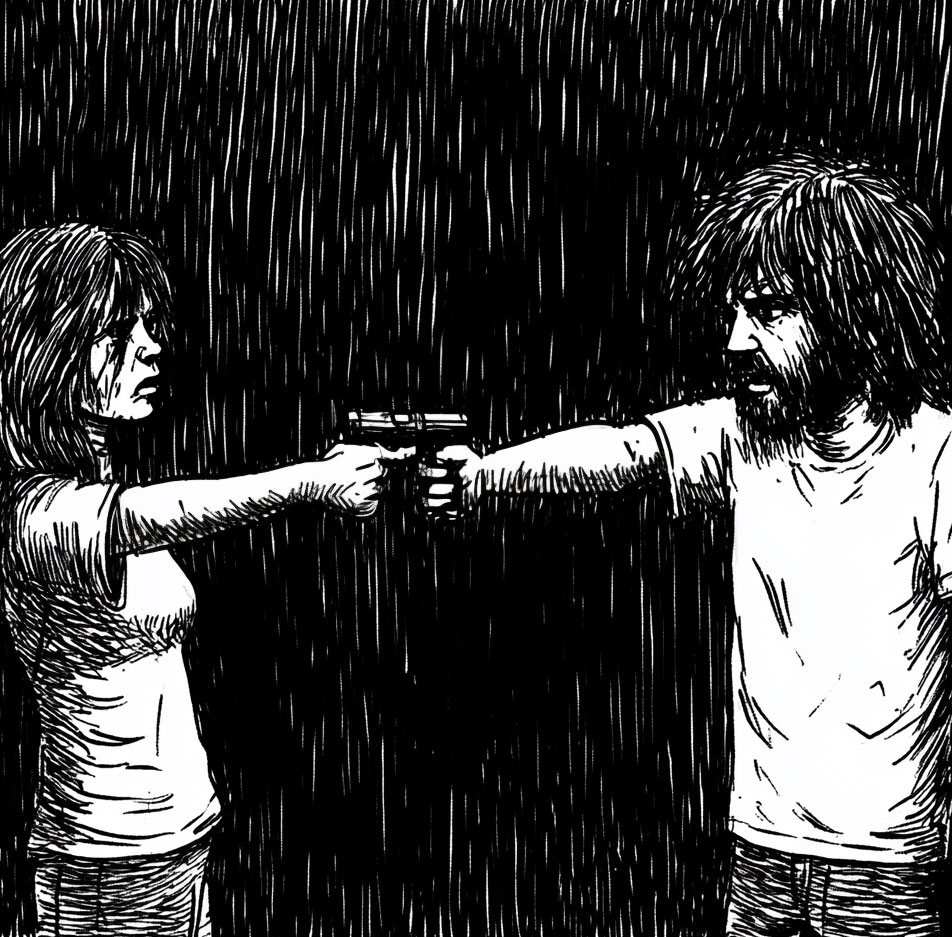
I was fortunate enough to meet Alessandro Bellini, an artificial intelligence engineer, who offered me a collaboration. My goal was to try to make a short film using AI programs. The challenge was very stimulating, as I would be exploring a field that was, for me, completely unexplored. First, I wrote the story. It's a very simple but, I hope, powerful story: a man wakes up in a tent in the middle of the woods, then picks up his gun from the bed and wanders through the streets of an isolated countryside until he reaches a completely destroyed town devoid of a living soul. The protagonist is alone and, during his journey, reflects on his own condition. His goal is to end, as he himself states at a certain point in the film, human history, and to do so, he must kill a woman inside an abandoned structure.
Next
Stages of work

Various stages of work and difficulties

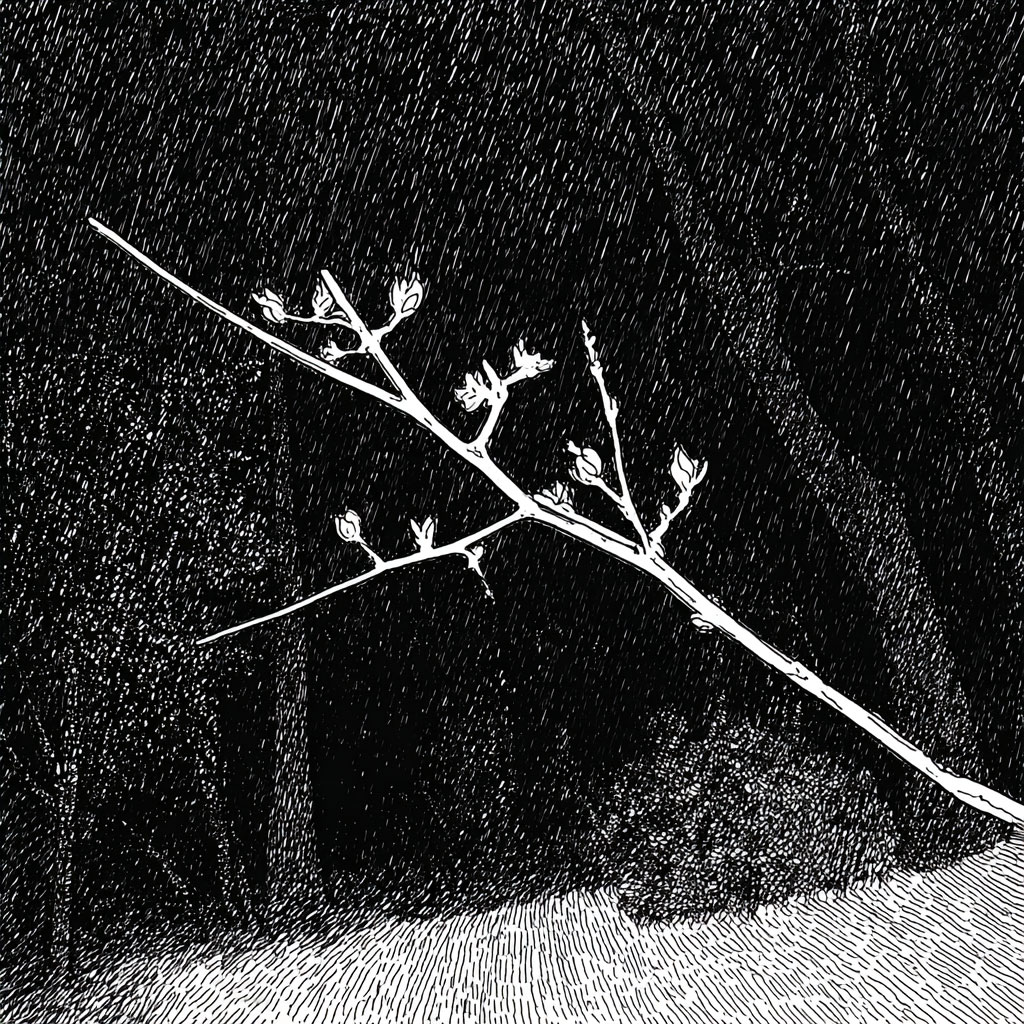
Using Midjourney, I generated a series of vignettes divided into four panels relating to the opening scene of the story. The dramatic style and black-and-white illustrations immediately intrigued me, but the representations, at least initially, did not align with the description. After many attempts, though not fully satisfied, I finally managed, with the help of ChatGPT as well, to obtain images consistent with the plot. As I progressed with the work, to give sequentiality and homogeneity to the subsequent vignettes, I tried to maintain the same style, characters, and setting. However, although the program possesses these capabilities, it was not at all simple: indeed, already in the following illustrations, the style, even if slightly, changed from before, thus also altering the somatic features of the protagonists, rendering them more stylized.
Next
Complete the work

Audio, sounds and dubbing

This phase was one of the most problematic. For the soundtrack and background noises, I used free, copyright-free sound effect websites such as Pixabay and Creazilla, managing after careful research to source the necessary material and import it into the editing program. Not fully satisfied with the result, I created a soundtrack using AI Voice Generator and Text to Speech, and subsequently attempted to produce the characters' voices with various artificial intelligence platforms, including Eleven Labs and Voice AI. However, the results proved unconvincing due to the poor naturalness of the timbre and monotonous delivery. After some reflection, together with Bellini and Woo Jeon, I decided to use real voices. Thanks to Woo Jeon, I contacted Barbara Andreini, an opera singer, who gave voice to the female character. To resolve the lip-sync problem, I used the AI software Vmake: despite the limitations of the result, through editing I managed to mask the main errors. While aware of the technical flaws, I consider the overall outcome interesting.
Next

EXPERIENCE

Being able to create a video, albeit a short and basic one, thanks to the help of Bellini and his staff, was an important experience not only from an educational perspective, as I began to understand how various platforms new to me work, but also from an artistic perspective. I actually got a glimpse of how AI can be used for artistic purposes. I was amazed to see how the unpredictability of artificial intelligence can influence the artist's mind, even changing the final outcome of the work.

Is the result necessarily better? I don't know, it's certainly different, and it's interesting to reflect on this aspect.

I have a question:
As this technology advances, will artificial intelligence come to think completely for us, or will it always be tied to a cooperative relationship with human intelligence?
Do you need more information? Write to us.

Follow us on